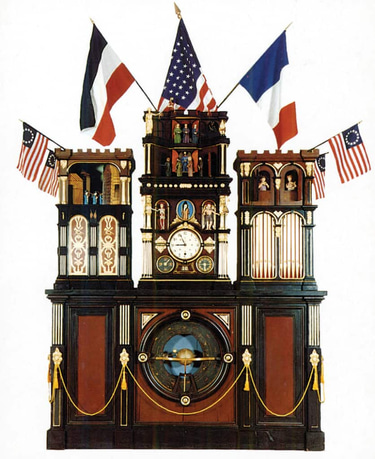
Mechanical Restoration
Disassembly & Cleaning: Movement fully stripped, parts cleaned (often ultrasonic), rust removed.
Pivot & Bearing Work: Worn pivots polished on a special machine, bearings re-bushed to size.
Part Repair/Replacement: Worn clicks, springs, or damaged gears repaired or custom-made; cables replaced on weight-driven clocks.
Escapement: Pallets polished, geometry corrected for efficient operation.
Reassembly & Oiling: Reassembled, synchronized, oiled, and tested for extended periods.
Case & Dial Restoration
Case Repair: Damaged wood, metal (spelter, bronze), or porcelain repaired, often with silver soldering or patching.
Finishing: Bronze/ormolu parts polished or re-gilded; cases stripped and repainted/regilded.
Dial Work: Chips filled, engravings touched up with gold paint, or water-slide decals used for numbers.
Hands: Polished and sometimes blued (heated in filings).
Key Considerations
Complexity: French clocks (mantle, Comtoise, etc.) often have intricate strike/chime trains needing careful attention to pins and levers.
Value: Early French clocks with fine movements and gilt-bronze (ormolu) mounts are highly valuable and require expert care.
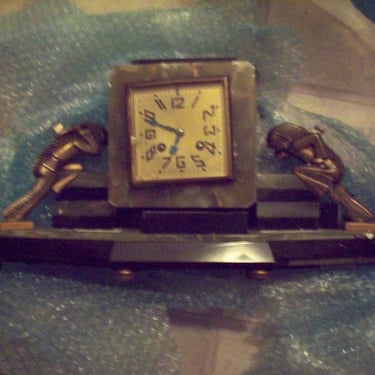
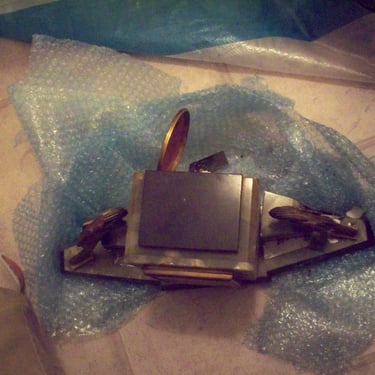
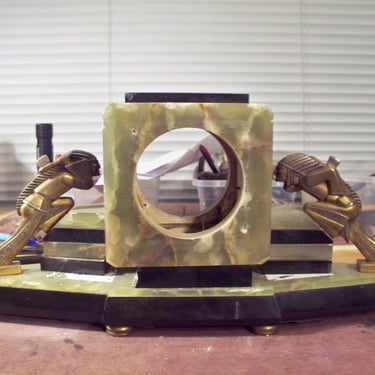
Restoration of a Art Deco 1930's French Clock for the American Market?
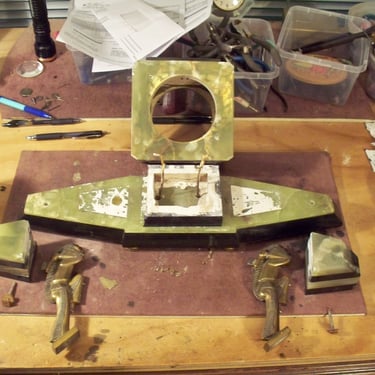
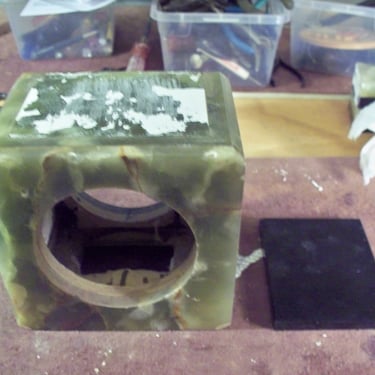
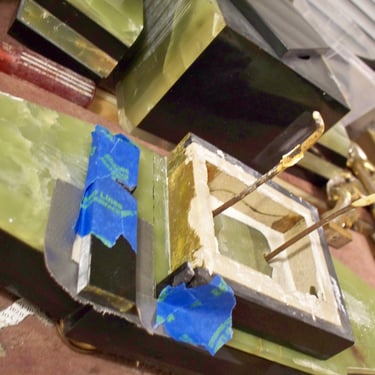
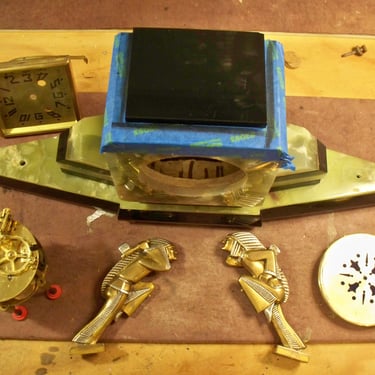
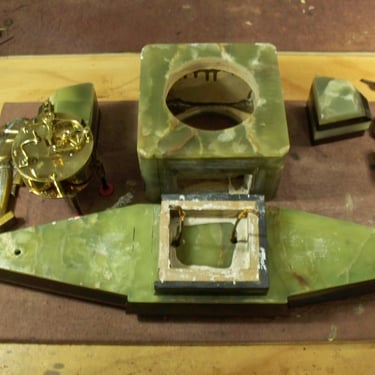
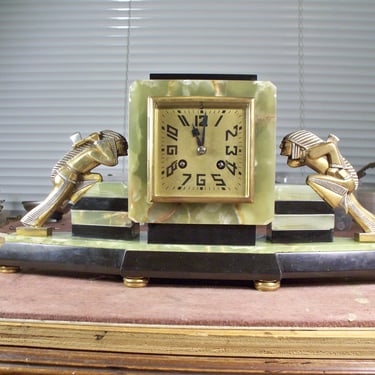
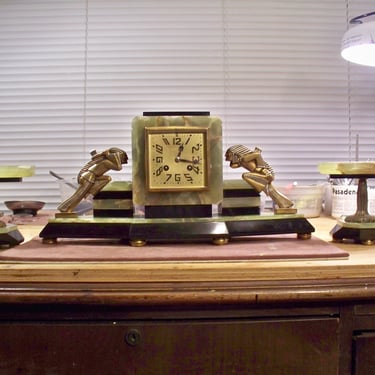
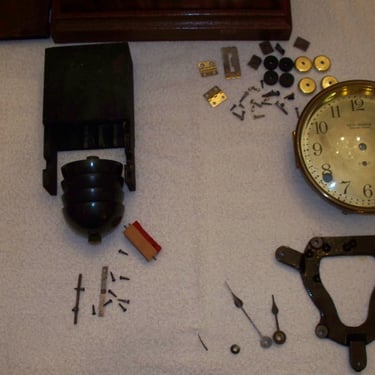
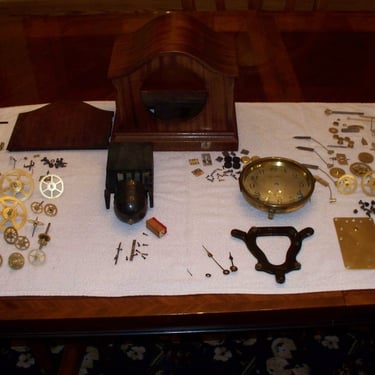
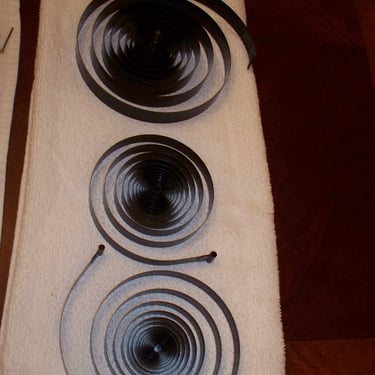
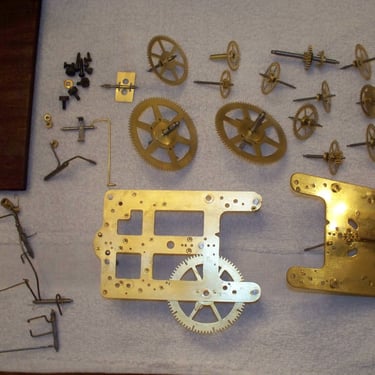
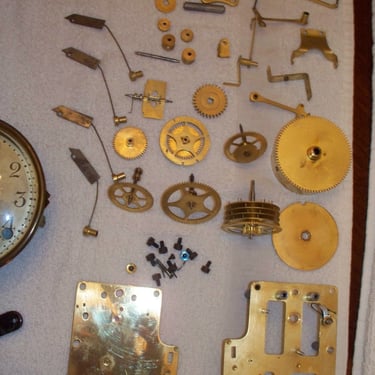
Restoration of a Seth Thomas 4 bell clock
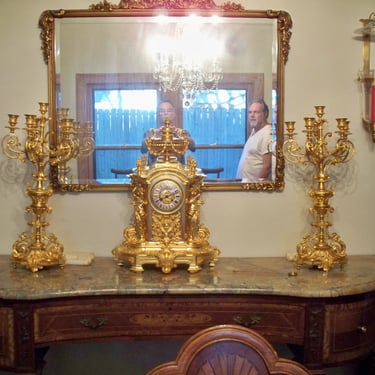
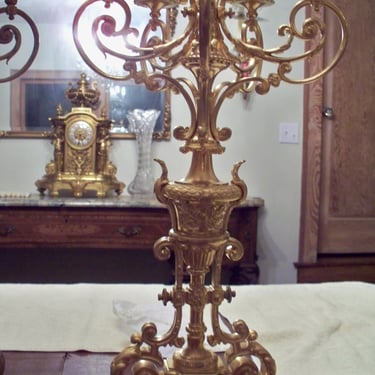
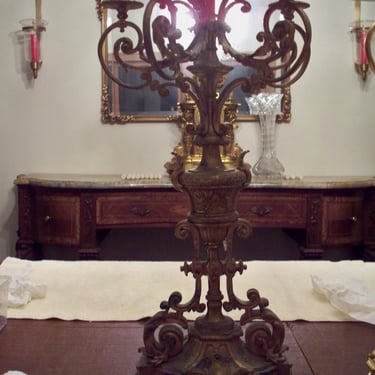
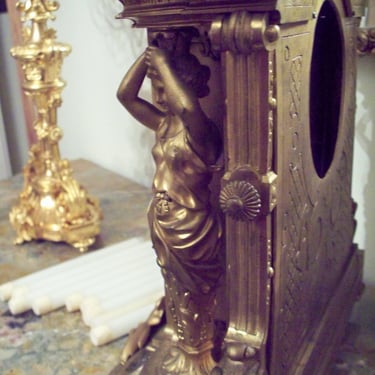
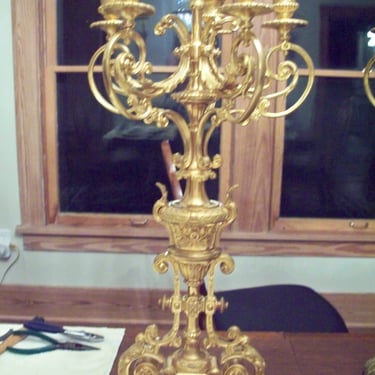
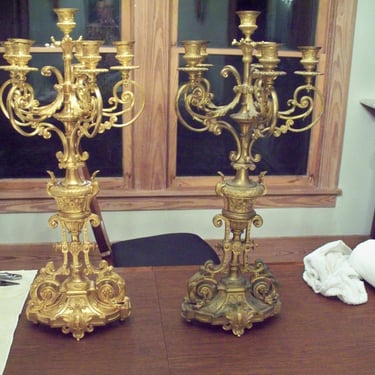
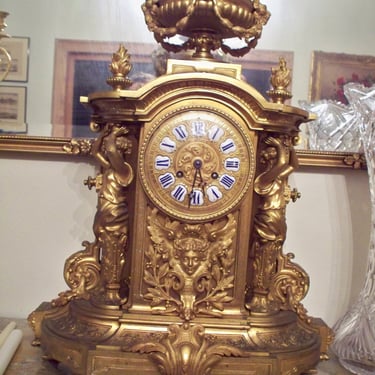
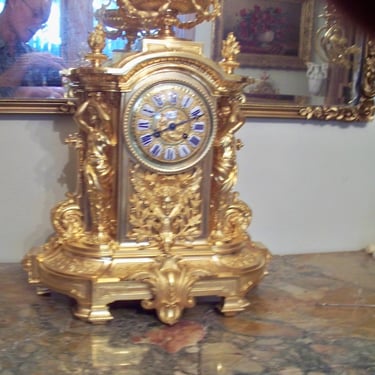
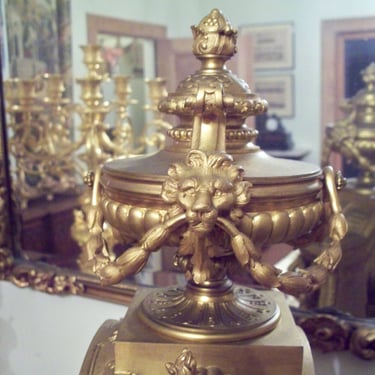
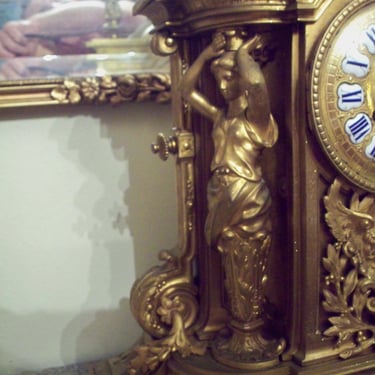
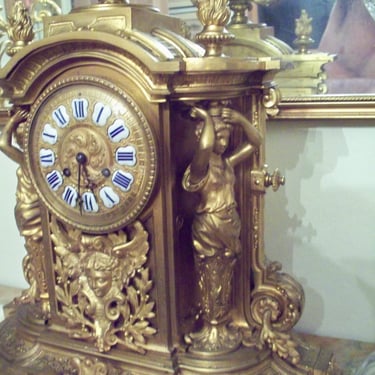
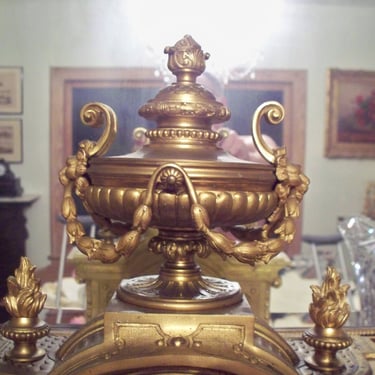
"Mercury gilding"
refers to the historical technique known as ormolu (from French or moulu, meaning "ground gold") used to produce large, high-quality decorative objects and furniture mounts, predominantly in 18th- and 19th-century France. This process involved a dangerous, mercury-based method to apply gold to a metal (usually bronze) base.
The Technique: Ormolu (Fire Gilding)
The traditional French method of mercury gilding, also known as fire gilding or bronze doré, was highly prized for its durable and lustrous finish.
Process: Artisans created an amalgam by mixing finely ground, high-carat gold powder with liquid mercury. This paste was applied to the surface of the object (typically bronze, copper, or brass), which had been previously coated with mercuric nitrate.
Heating: The object was then heated in a kiln. The high temperatures vaporized the mercury, which burned off as toxic fumes, leaving a permanent layer of gold fused to the base metal.
Finishing: After cooling, the gilded surface was polished and burnished, often with an agate tool, to achieve a rich, warm, and highly reflective gold appearance that has lasted for centuries.
Historical Context and Hazards
Prevalence: Ormolu was used extensively for a wide variety of items, including furniture mounts, clock cases, candelabras, sculptures, and mirror frames, particularly during the Louis XV, Louis XVI, and Empire periods.
Dangers: The process was extremely hazardous. Exposure to poisonous mercury fumes often led to severe health issues, including blindness and insanity, with gilders rarely living past the age of 40.
Legislation: Due to the health risks, the use of mercury in gilding was officially outlawed in France around 1830. However, the law was poorly enforced, and the traditional method continued in use well into the 20th century because of the superior quality of the finish compared to early alternatives.
A large French gold gilded clock
Black Marble Clocks became popular in the UK when Queen Victoria lost her husband.
Queen Victoria went into a prolonged state of mourning. Black cloths were draped across parlors, the Queen dressed in black like a Mediterranean widow, and her subjects did their bit by ‘Buying all things black’, and even painting ornaments black. Generally known as Black Slate Clocks by the trade, the stone is in fact neither marble nor slate. It is a Belgian calcite with a slightly porous texture. Marble is a much harder, impervious stone, and these clocks were often inlaid with genuine marble to give them a little style and color.